A new dimension in skin rejuvenation: laser rejuvenation
Looking in the mirror, we all notice the passing of the years. Over time, our skin loses its youthful bloom, but thanks to modern dermatology, we can now turn back the clock effectively and safely.
Dr. Katalin Bodai3 min read
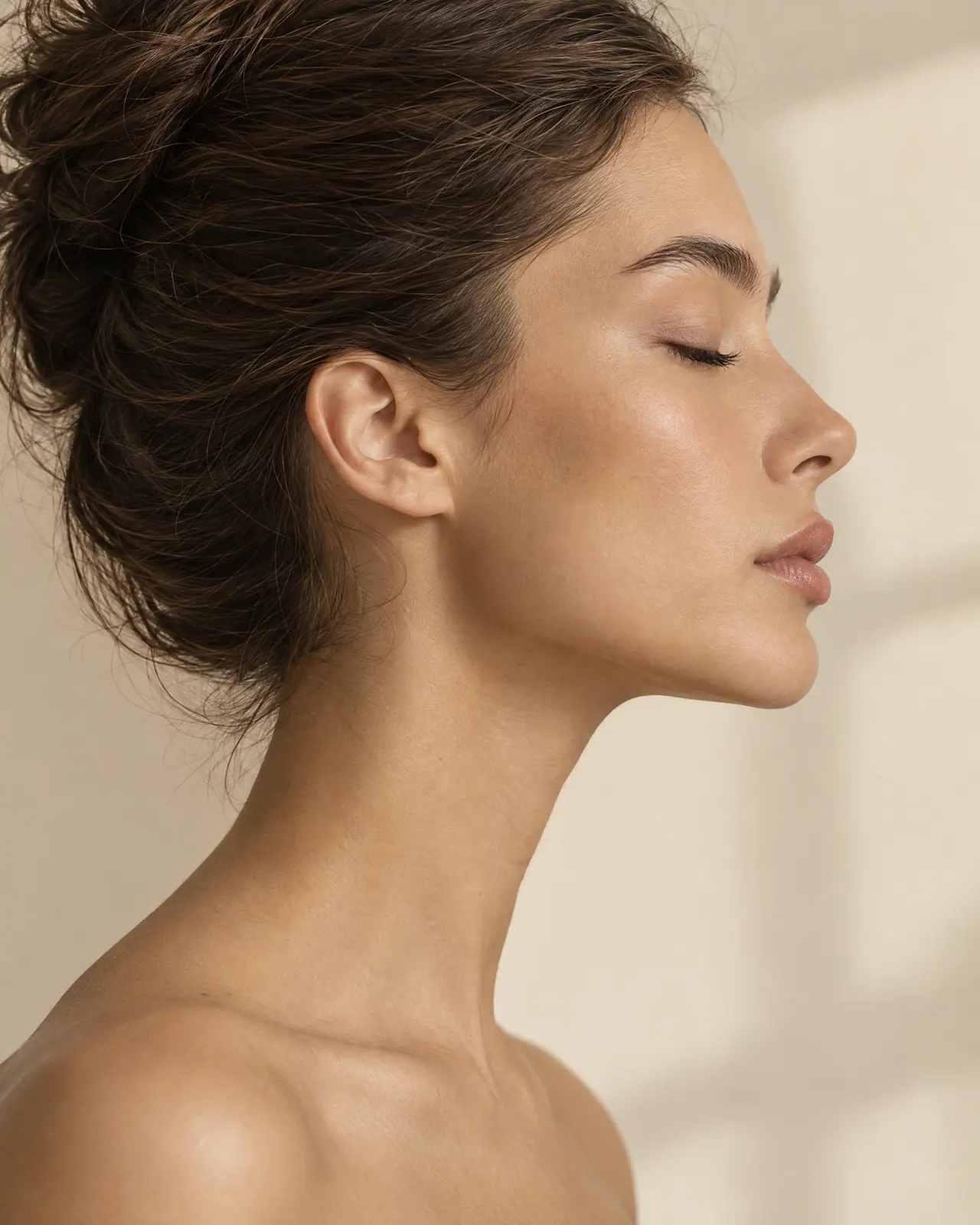
Looking in the mirror, we all notice the passing of the years. Over time, our skin loses its youthful bloom, but thanks to modern dermatology, we can now turn back the clock effectively and safely. One of the most popular and innovative solutions is laser rejuvenation, which renews the skin naturally, from within.
But why does our skin age, and how can laser help?
What happens to our skin over the years?
As we age, the cells that make up the skin naturally slow down. Epidermal cells mature more sluggishly, pigment production becomes uneven, and the connective tissue fibres of the dermis (collagen and elastin) weaken and break down.
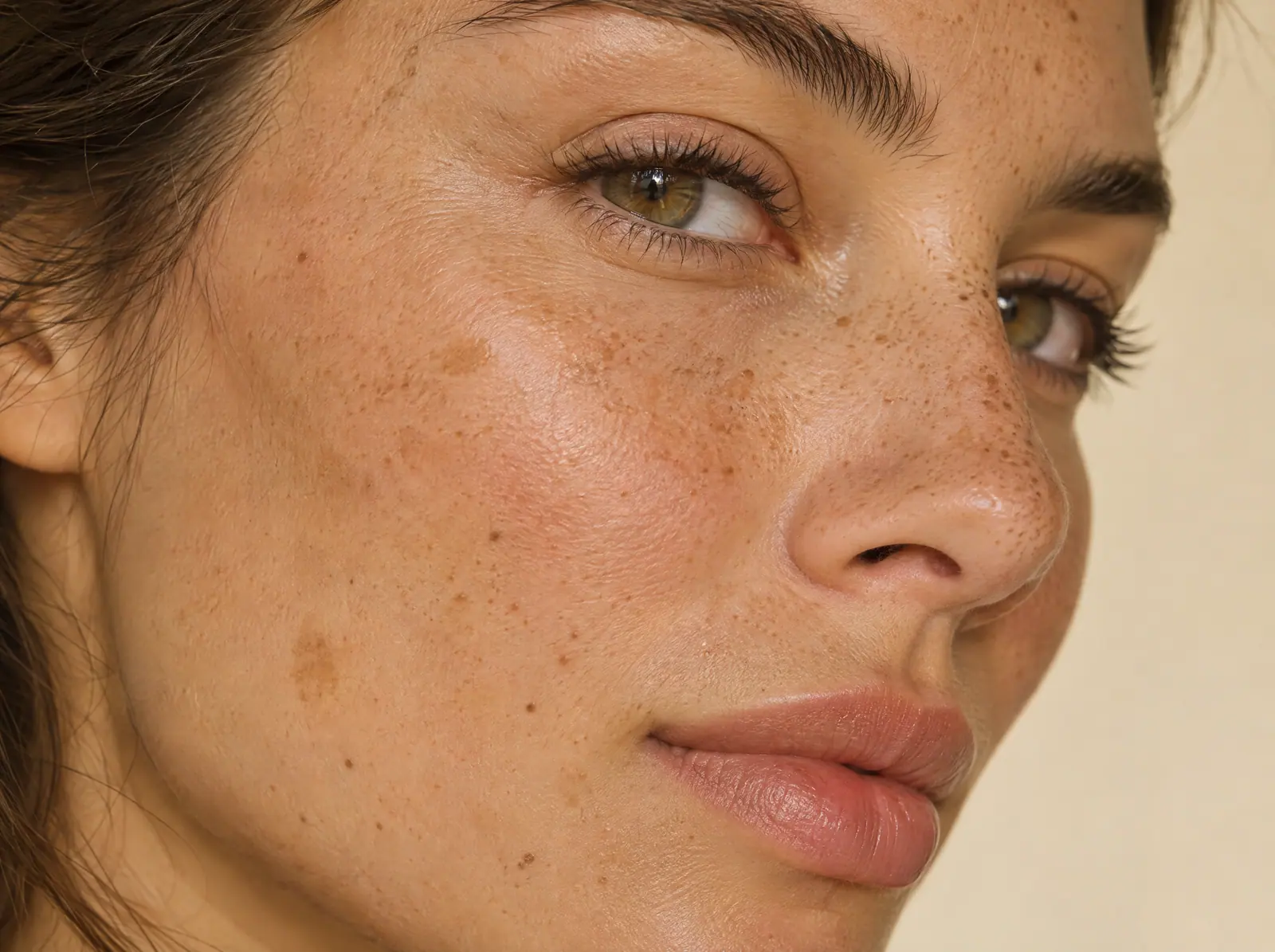
As a result of all this – especially in the areas most exposed to light, such as the face, neck, décolletage and backs of the hands – the skin becomes dull and loses its elasticity. Pigment spots, keratinisation disorders, dilated blood vessels and unwanted wrinkles appear.
There are two main types of wrinkles:
- Dynamic (expression) wrinkles: These are created by the constant movement of the facial muscles. Examples include crow's feet around the eyes and forehead lines.
- Static wrinkles: These become increasingly pronounced with age and as the skin sags, and are visible even when the face is at rest. A typical example is the nasolabial fold running from the sides of the nose to the corners of the mouth.
The greatest enemy: Sunlight and UV radiation
Although genetics play a part, skin ageing is largely caused by environmental factors – poor diet, smoking and, above all, sunlight.
In small amounts, ultraviolet (UV) rays are beneficial (for example, for producing vitamin D), but in larger doses they cause serious damage:
- They damage the DNA of cells and break down folic acid, which is needed for blood formation.
- They penetrate the epidermis and directly destroy the deeper connective tissue fibres, accelerating the formation of wrinkles.
- They increase the risk of skin cancer. Prolonged UVA exposure is responsible for melanoma (a malignant tumour of the pigment cells), while UVB radiation is mainly responsible for the development of basal cell carcinoma and squamous cell carcinoma.
Although our skin defends itself – the epidermis thickens and pigment production increases (in other words, we tan) – in the long run this defence mechanism leads to skin that feels rougher and looks uneven in tone and blotchy.
The solution, powered by laser: What is laser rejuvenation?
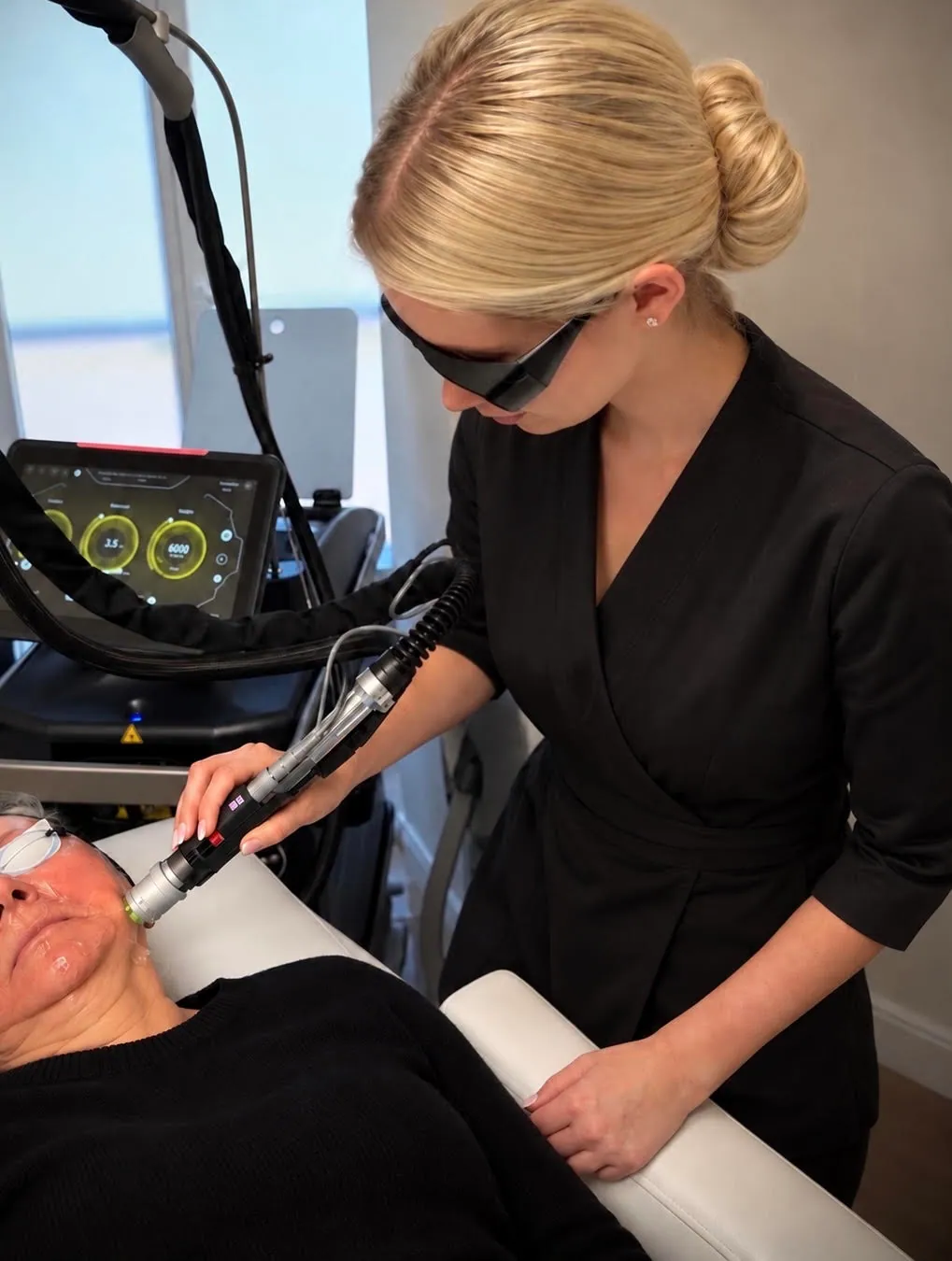
Laser rejuvenation (skin rejuvenation) is a cutting-edge procedure that works exactly where the problem is rooted. During the treatment, focused beams of light pass through the surface of the skin and create controlled, microscopic heating in the deeper layers (the dermis).
This precise process triggers the body's own self-healing mechanism:
- Collagen boom: The heat stimulates the fibroblast cells, triggering intensive production of new collagen and elastin fibres.
- Skin renewal: The laser is absorbed by excess pigment (lightening sun spots) and by dilated vessels (reducing redness).
- Surface refinement: Skin texture becomes more even, pores tighten, and fine lines and static wrinkles are visibly smoothed out.
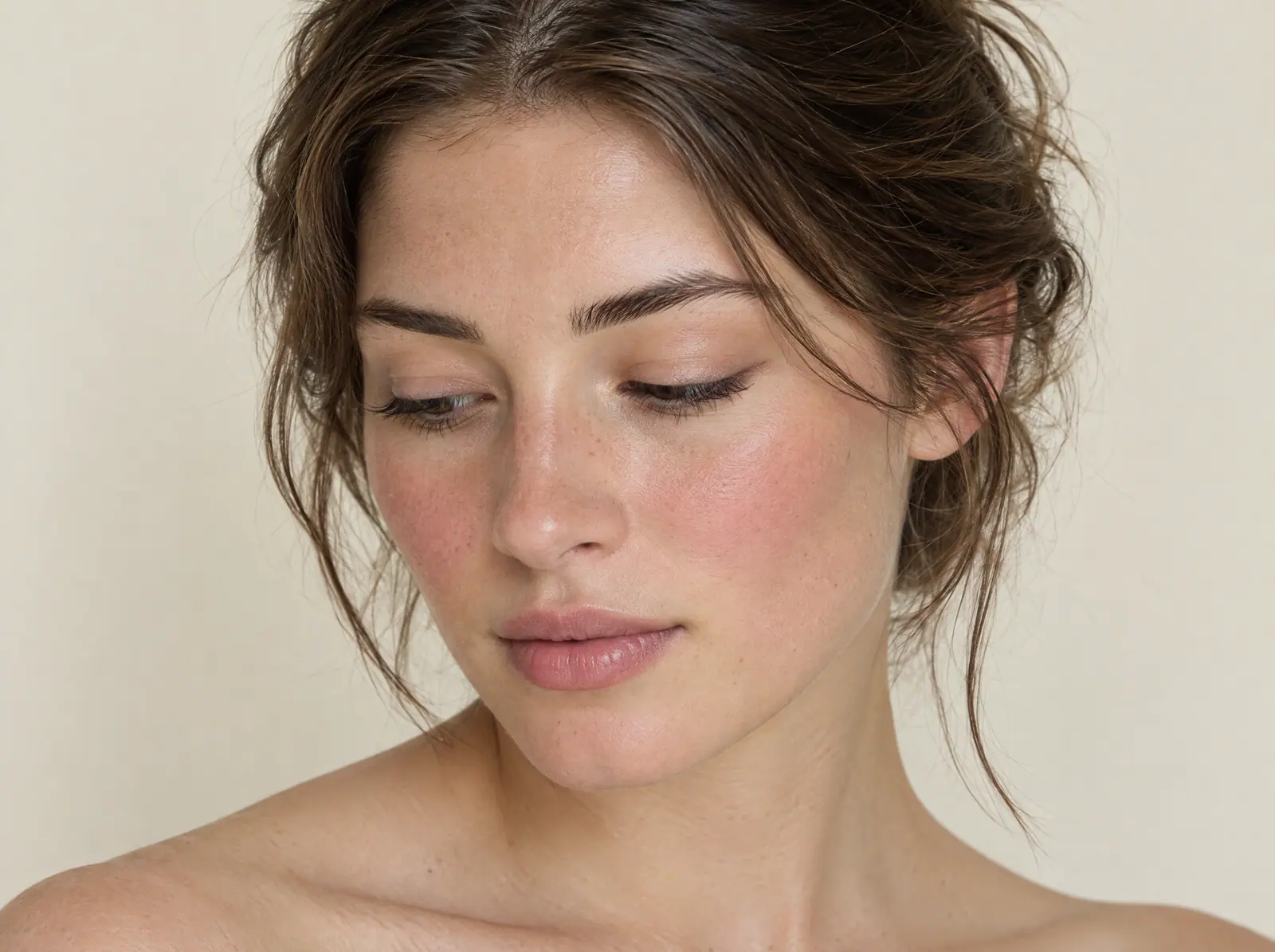
The greatest advantage of laser rejuvenation is that it doesn't merely hide imperfections: it biologically renews and firms the skin. The result is a natural, fresh and radiant appearance – without a scalpel or drastic interventions.
Don't let sunlight and the passing years define your radiance – with laser skin rejuvenation, you can regain your skin's youthful elasticity and even tone!