Viral warts: Why does treating them call for steely patience?
Anyone who has ever had a viral wart on the sole of their foot, on their hand or on their child's fingers knows exactly what an incredibly stubborn and annoying guest it is.
Dr. Katalin Bodai4 min read

Anyone who has ever had a viral wart on the sole of their foot, on their hand or on their child's fingers knows exactly what an incredibly stubborn and annoying guest it is. All it takes is a tiny break in the skin at the swimming pool or the gym, and the uninvited visitor has already made itself at home in our skin.
Although many people are alarmed when they hear the diagnosis, here is our most important message right at the start: viral warts are harmless, and the key to healing is not drastic intervention but steely patience.
In today's post, we dispel the myths and look at why, when it comes to treating them, you need to watch the calendar rather than the stopwatch.
What is a viral wart, and what causes it?
Viral warts are caused by certain strains of the human papillomavirus (HPV) family.
Although the name HPV immediately makes many people think of cervical cancer or other malignant tumours, viral warts on the skin are caused exclusively by non-cancer-causing (low-risk) HPV strains! So there is no need to fear a cancerous change.
The virus spreads through direct skin-to-skin contact or via shared items (e.g. towels, flip-flops). It gets into the epidermal cells, where it makes the skin multiply rapidly and form a hard, cauliflower-like or flat, inward-growing callus (e.g. a plantar wart).
The big truth: It heals on its own!
Few people know this, but viral warts can disappear without a trace on their own, without any outside intervention at all. As soon as our immune system recognises the virus and produces antibodies against it, the wart simply dies off and falls away.
When, and how quickly, does it heal?
- Sooner in children: Children's immune systems learn extremely quickly. In children, warts often clear up within a few months, and almost always much faster than in adults.
- The magic 2-year average: In adults, according to statistics, the average spontaneous healing time for viral warts is 2 years. Yes, you read that right: it can take as long as twenty-four months for the body to defeat the virus. That is exactly why treatments don't work instant miracles either – we support the process, but it can only be hurried along to a limited extent.
How can they be treated? Effective methods in dermatology
Because warts are contagious and can spread across our body (or be passed on to family members), and can also cause pain on the soles of the feet, dermatologists usually recommend the following treatment options:
1. Wart paints at home or at the clinic
The least invasive, tissue-sparing method. Wart paints usually contain salicylic acid, lactic acid or other caustic substances.
- How does it work? Applied daily, they soften and wear away the thickened skin layer by layer, while the local irritation stimulates the immune system to notice the virus. It requires a persistent daily routine lasting weeks or months.
2. Freezing (cryotherapy)
The most common in-clinic treatment.
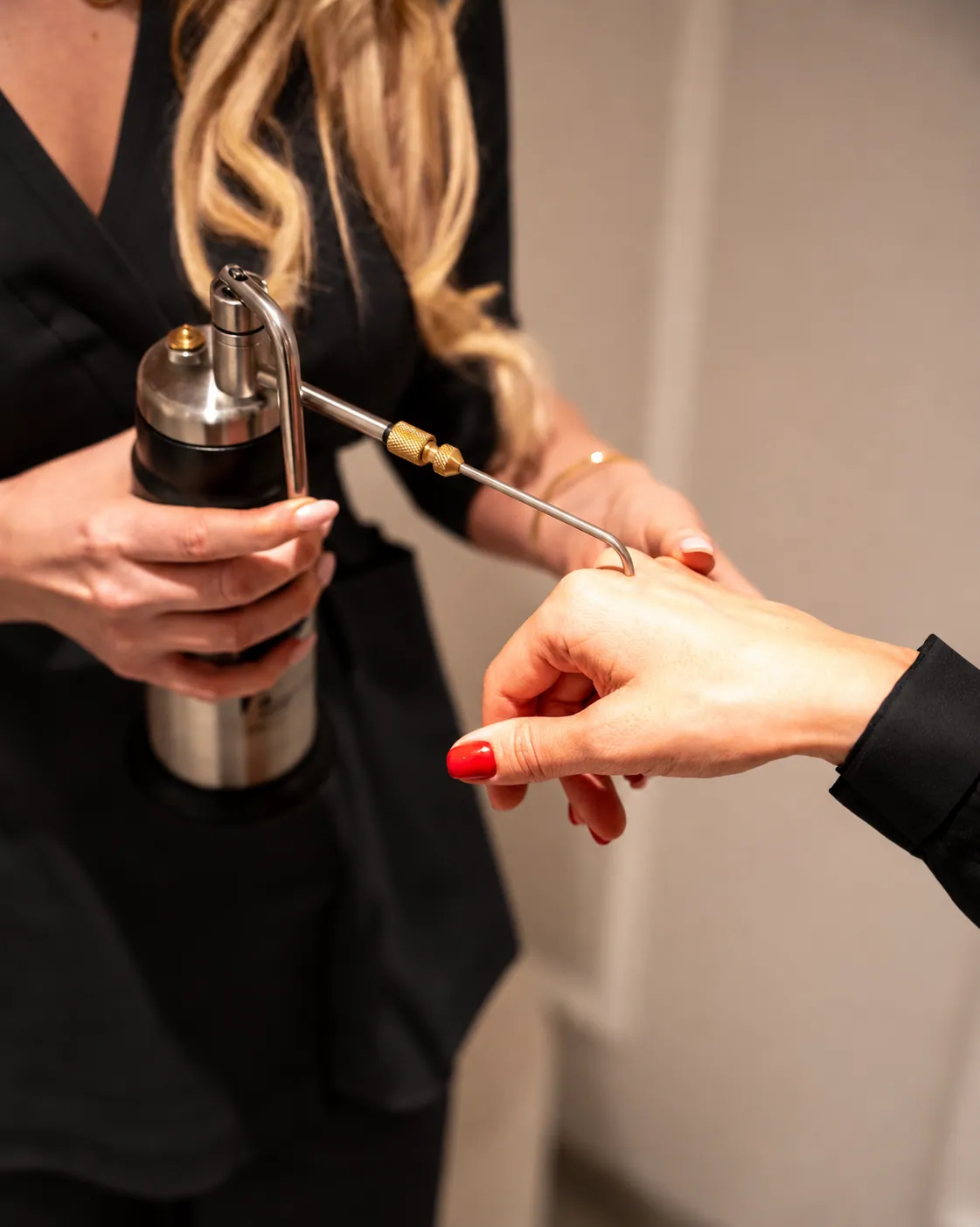
- How does it work? The wart is frozen at an extremely low temperature with liquid nitrogen. The resulting tissue death and the blistering that follows separate the wart from the skin. For complete success, it usually has to be repeated several times, every 2-3 weeks.
3. Laser exsiccation (drying out)
Using modern technology, the laser beam seals off the tiny blood vessels that feed the wart and dries out and vaporises the virus-infected tissue. It is a precise and effective method, but here too the healing time is measured in weeks.
Why is surgical excision NOT recommended?
Many people would like to get the problem over with quickly and ask the doctor to “just cut it out with a scalpel”. According to professional protocol, however, surgical excision is not recommended and may only be used as a last resort, in exceptional cases.
There are two very compelling reasons for this:
- The risk of recurrence: A scalpel does not destroy the virus. If even a single microscopic, virus-infected cell remains at the edge of the wound, the wart will come back along the surgical scar almost immediately, and even larger.
- Painful scarring: The deep, rigid scar tissue left behind after a surgical incision on the sole of the foot or on a finger can later (when walking) cause much greater and more chronic pain than the original wart itself ever did.
Final word: The most important weapon is PATIENCE
The fight against viral warts is not a sprint but a gruelling marathon. There is no miracle treatment that would make the virus vanish without a trace overnight without damaging the skin. Whichever medical method you and your doctor choose, the most important things to take away with you from the clinic are patience and consistency. Support your immune system, treat the area as instructed and trust your body – it will win!